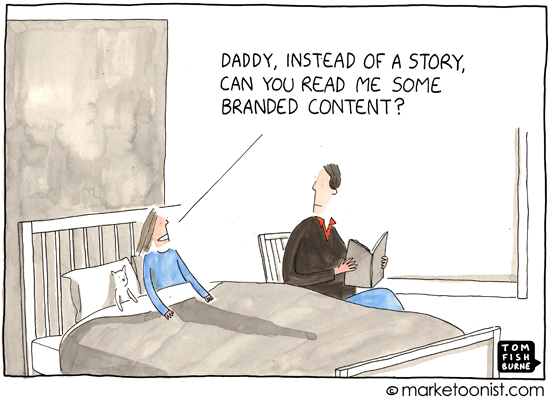
LinkedIn reported that the percentage of US job postings that include the term “storyteller” doubled last year from the year before.
Katie Deighton recently wrote about this in the WSJ:
“Marketing and technology companies have often repurposed grandiose descriptions from other arenas to lend corporate office roles additional sparkle. While the heyday of technology gurus, developer ninjas, SEO rockstars and at least one digital prophet have long since passed, calling salaried communications professionals “storytellers” and the practice of storytelling appears to only have picked up in popularity.”
Of course this isn’t totally new. Storytelling in business practice goes through periods of being in vogue.
In 2014, Austrian designer Stefan Sagmeister famously pilloried the whole idea of creatives calling themselves storytellers, showing up to a conference on storytelling to tell everyone they weren’t really storytellers.
“People who actually tell stories, meaning people who write novels and make feature films don’t see themselves as storytellers. It’s all the people who are not storytellers, who kind of for strange reasons because it’s in the air suddenly now want to be storytellers.”
I find it funny that Stefan Sagmeister’s own wikipedia entry now describes him as a “graphic designer, storyteller, and typographer.”
AI is impacting storytelling in interesting ways. In some ways, AI is democratizing storytelling. It’s helping amplify and extend stories that might not otherwise get told. Yet, the path of least resistance is to use these tools to generate more of the same.
Here are a few related cartoons I’ve drawn over the years: