In the early 1900s, Philadelphia merchant John Wanamaker famously said:
“Half the money I spend on advertising is wasted; the trouble is I don’t know which half.”
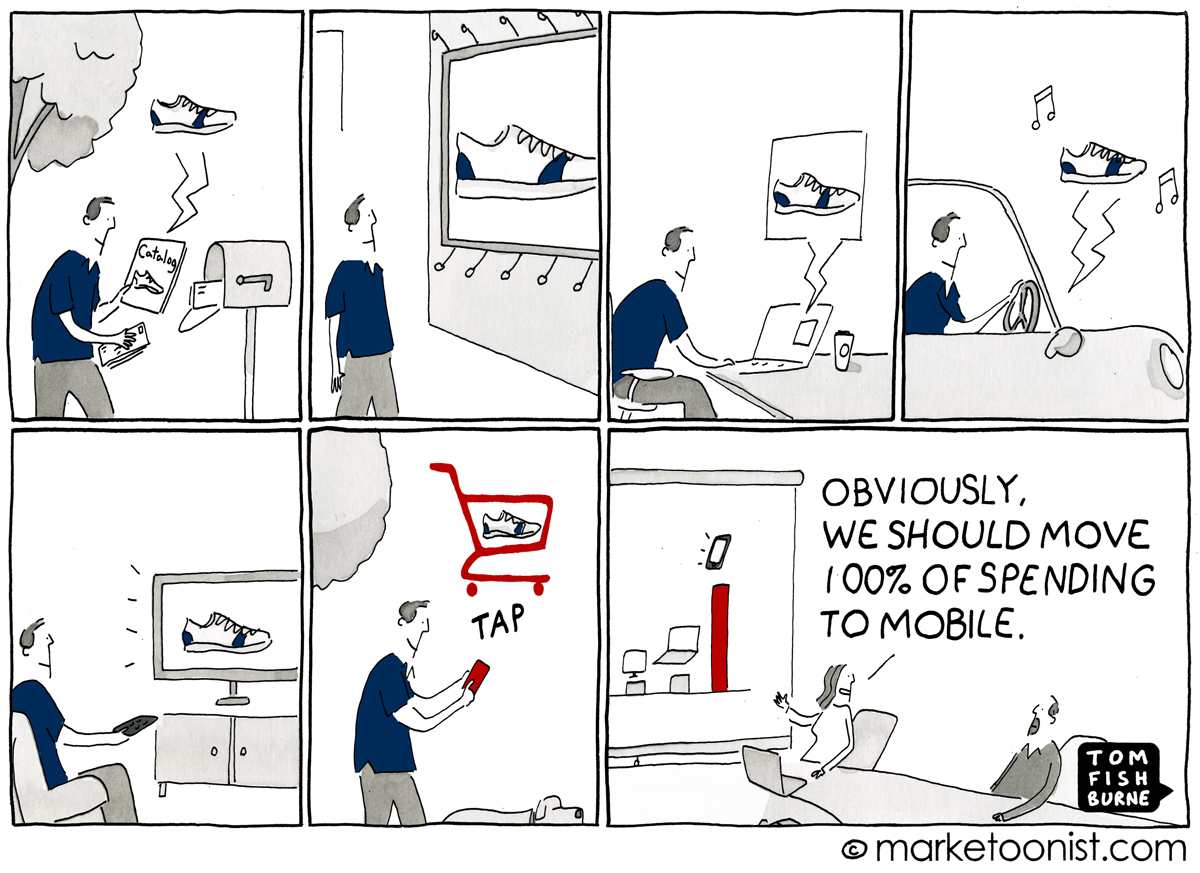
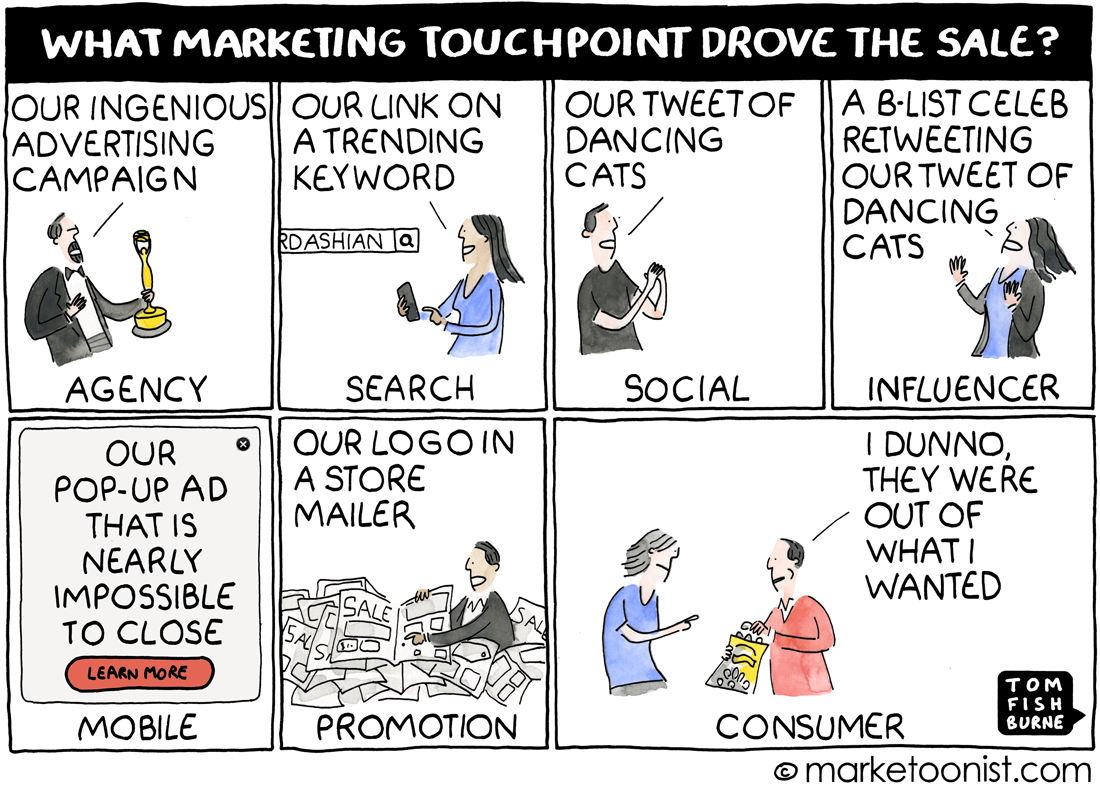
In a way, Wanamaker is the grandfather of marketing attribution — the science of giving credit to each marketing touchpoint that a customer was exposed to before a purchase. More than ever, marketers are pushing to understand what worked and what didn’t so they can invest in tactics that truly drive sales.
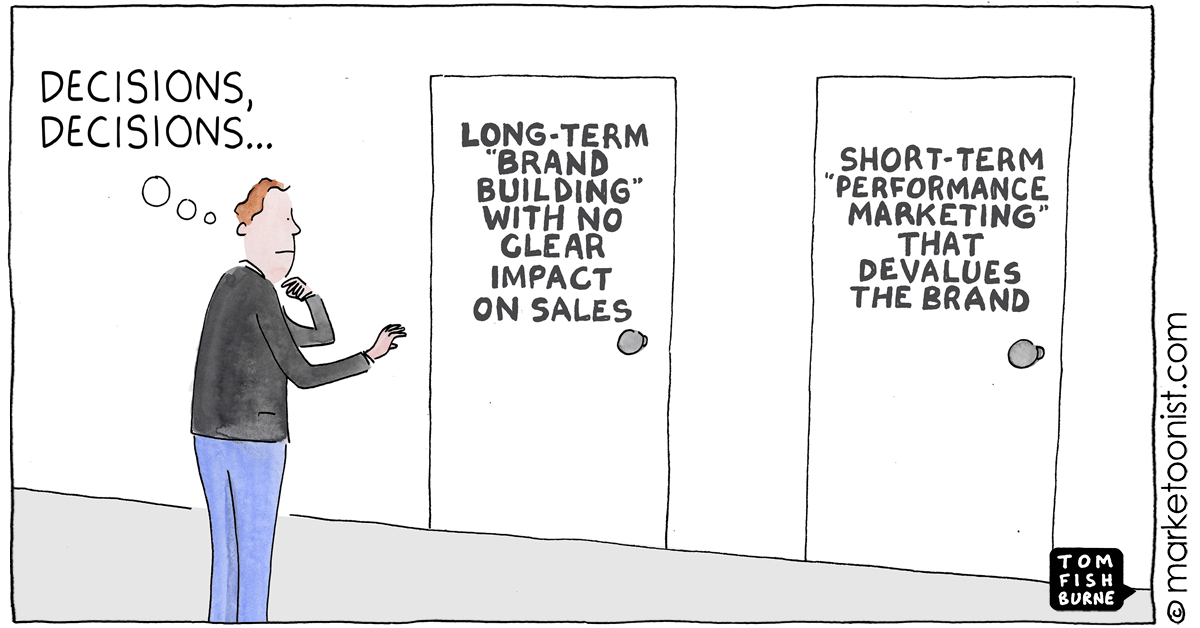
With the rise of data-driven marketing, marketers aren’t in the dark as much as they were in Wanamaker’s day. But it’s still murky, particularly when trying to capture the impact of long-term brand building that is harder to directly link to sales. How much credit to assign to a TV ad versus an email offer versus an in-store promotion?
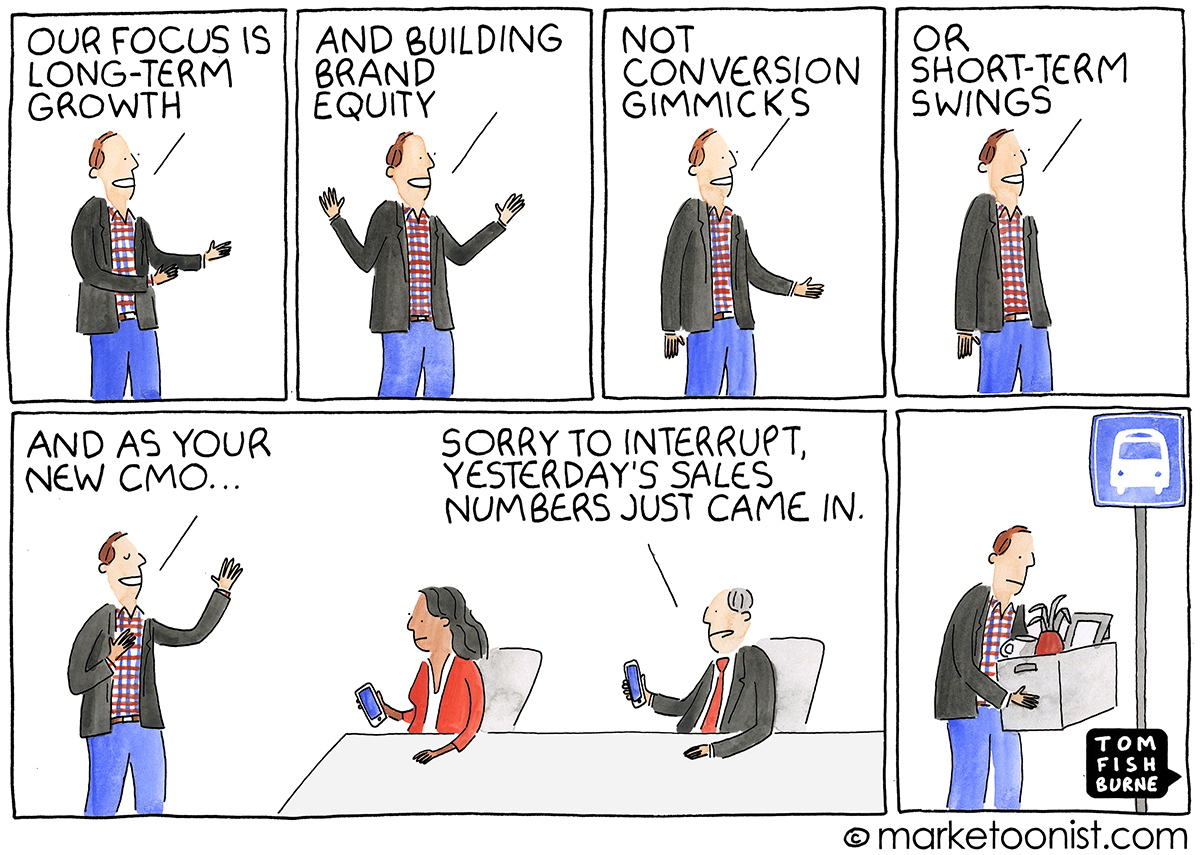
The easiest (and laziest) approach is “last-click attribution”, which gives 100% of the credit to the final marketing tactic before the sale. The easy measurability of “last-click attribution” helped drive a hard swing to short-term sales activation in the digital marketing era. Often at the expense of long-term growth.
Les Binet and Peter Field wrote the seminal book on this pressure to be short-termist in “The Long and the Short of It” in 2013. They advise that it shouldn’t be one or the other. Marketers should instead consider a 60/40 rule in their advertising plans: 60% focused on brand building and 40% on sales activation.
As Les Binet once said in an interview:
“The addiction to the short-term is not a new phenomenon, but it has got a lot worse. One of the problems is that for short-term activities, you get immediate feedback: responses, clicks, or short-term sales.
“If you are a marketer who’s spending money and nervous about what you’re getting for your money, you can immediately see that this stuff pays back. It’s become easier and easier to see these short-term effects, because we have more granular short-term data that comes through faster and faster …
“All businesses now have short-term metrics, which can distract them from long-term growth. I think that’s the real reason why business is becoming short-termist. It’s not quarterly reporting. It’s not the short tenure of marketers. It’s the data.”
Here are a few related cartoons I’ve drawn over the years: