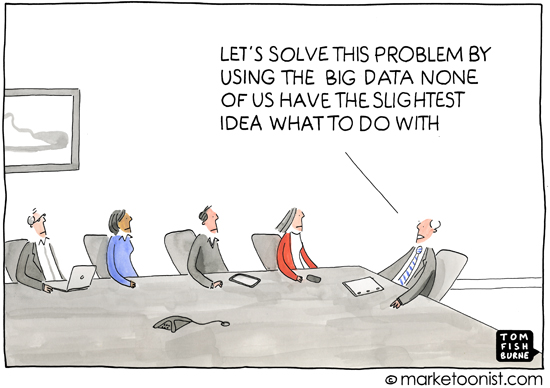
There’s a funny old observation on data analytics from Duke professor Dan Ariely from 2012 or 2013:
“Big data is like teenage sex: everyone talks about it, nobody really knows how to do it, everyone thinks everyone else is doing it, so everyone claims they are doing it.”
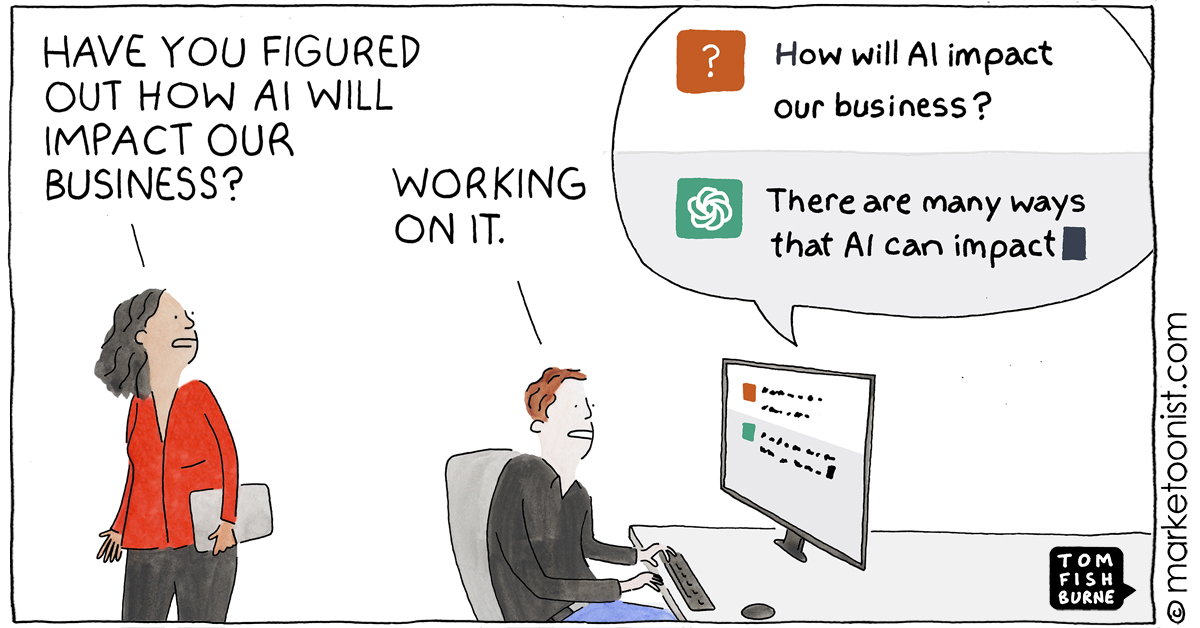
I’ve been thinking about that in the context of digital and AI upskilling today. In some ways, AI tools are more accessible than any previous type of digital transformation. It can be as simple as using ChatGPT to help draft an email.
And yet exactly what it means to use AI tools in work varies dramatically. When people say they’re using AI, what do they mean exactly? There’s often a sense of urgency without clarity.
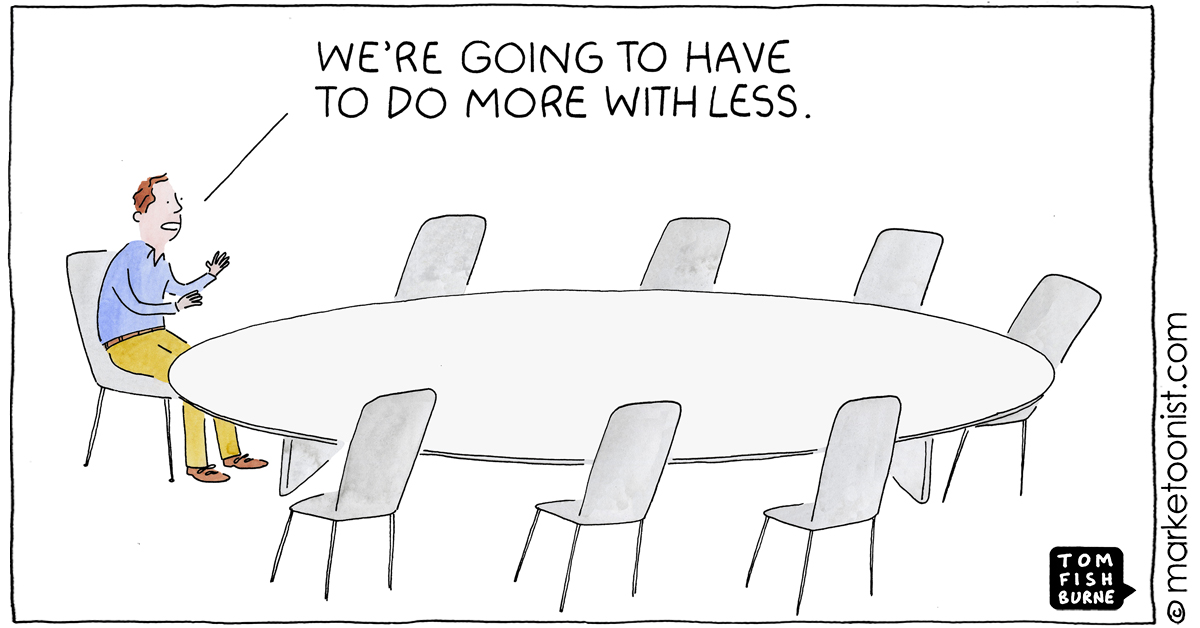
AI is generating productivity savings, but because businesses are already baking in the productivity savings, the pressure is only increasing to keep raising the bar. A recent WSJ article captured this sentiment in a piece aptly titled: “Your Prize for Saving Time at Work With AI: More Work.”
The article quotes Cal Newport, author of “Slow Productivity”:
“New technologies that speed up aspects of knowledge work tend to just lead to faster-paced knowledge work.”
And this observation from economist and sociologist Juliet Schor:
“It’s quite possible that by taking the low-demand stuff off our plates we’re piling up too much high-demand stuff.”
Workers today are facing twin pressures of increased productivity expectations and the urgent need to learn and adopt new tools.
In work and life, I’ve always liked the axiom: “don’t compare your insides with other people’s outsides.” LinkedIn posts can make it all look easy. You never know how frantically others are paddling under the surface.
Here are a few related cartoons I’ve drawn over the years: