As an HBS student, I was once assigned to be the handler of founding Netscape CEO Jim Barksdale for the afternoon at a school tech conference.
Jim was particularly well-known for his “Barksdaleisms” — his colorful proverbs on how to run a business.
One of the Barksdaleisms that I always liked:
“If we have data, let’s look at data. If all we have are opinions, let’s go with mine.”
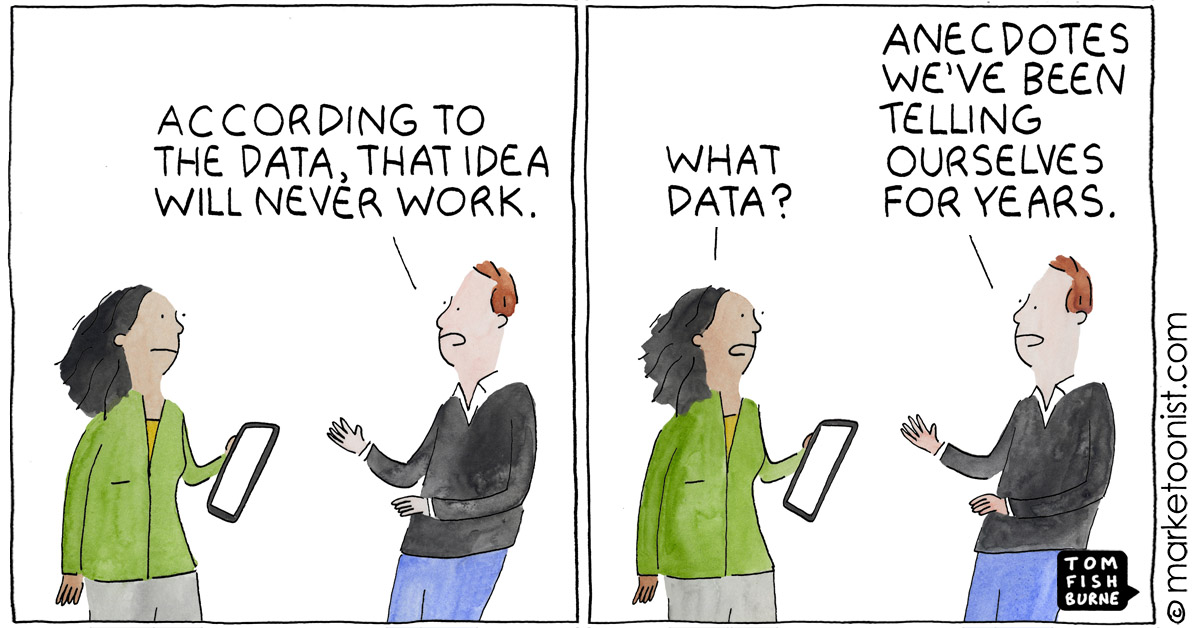
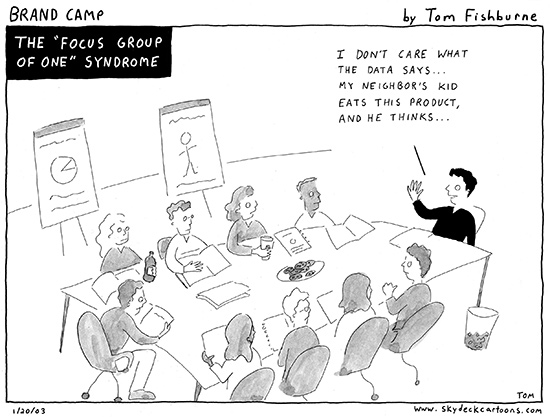
What I’ve come to learn is that even when there’s plenty of data, oftentimes we still go with opinions, particularly the opinions of the most senior person in the room.
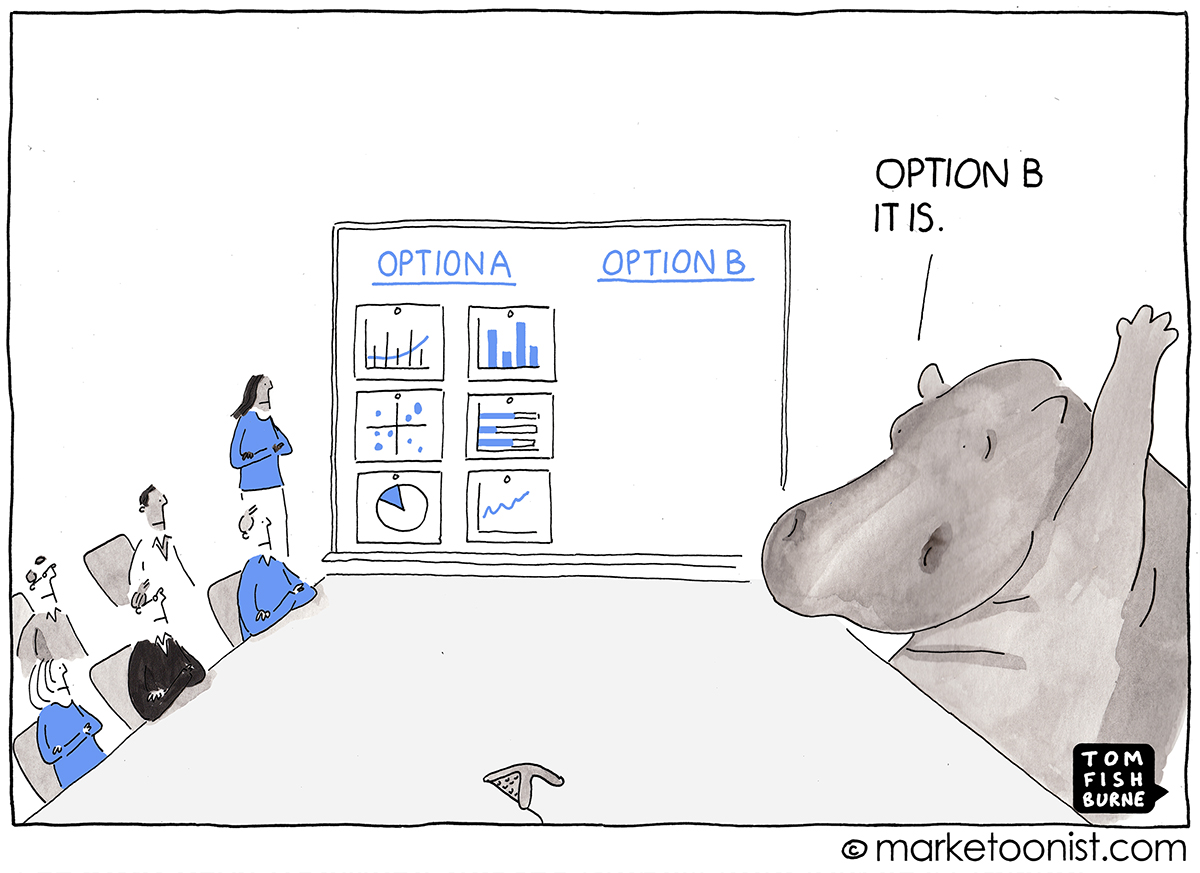
This phenomenon is often referred to as the HiPPO, the “Highest Paid Person’s Opinion.”
More recently, I saw a recap of a talk from Professor Byron Sharp that distinguished between “evidence-based marketing” and “eminence-based marketing.” Too much marketing is “eminence-based,” he argued.
This distinction is equally important to keep in mind when we ask AI to help make decisions.
Depending on how we ask, is AI looking at data, or is it looking at an average of gut feels? Is it evidence-based or eminence-based?
When AI decision-making is a black box and we don’t know enough to ask the right follow-up questions, the results could be gut feel at scale.
AI also tends to play to our prejudices. It can be particularly effective at validating what we already think is true. AI can give us false confidence in our own gut feel.
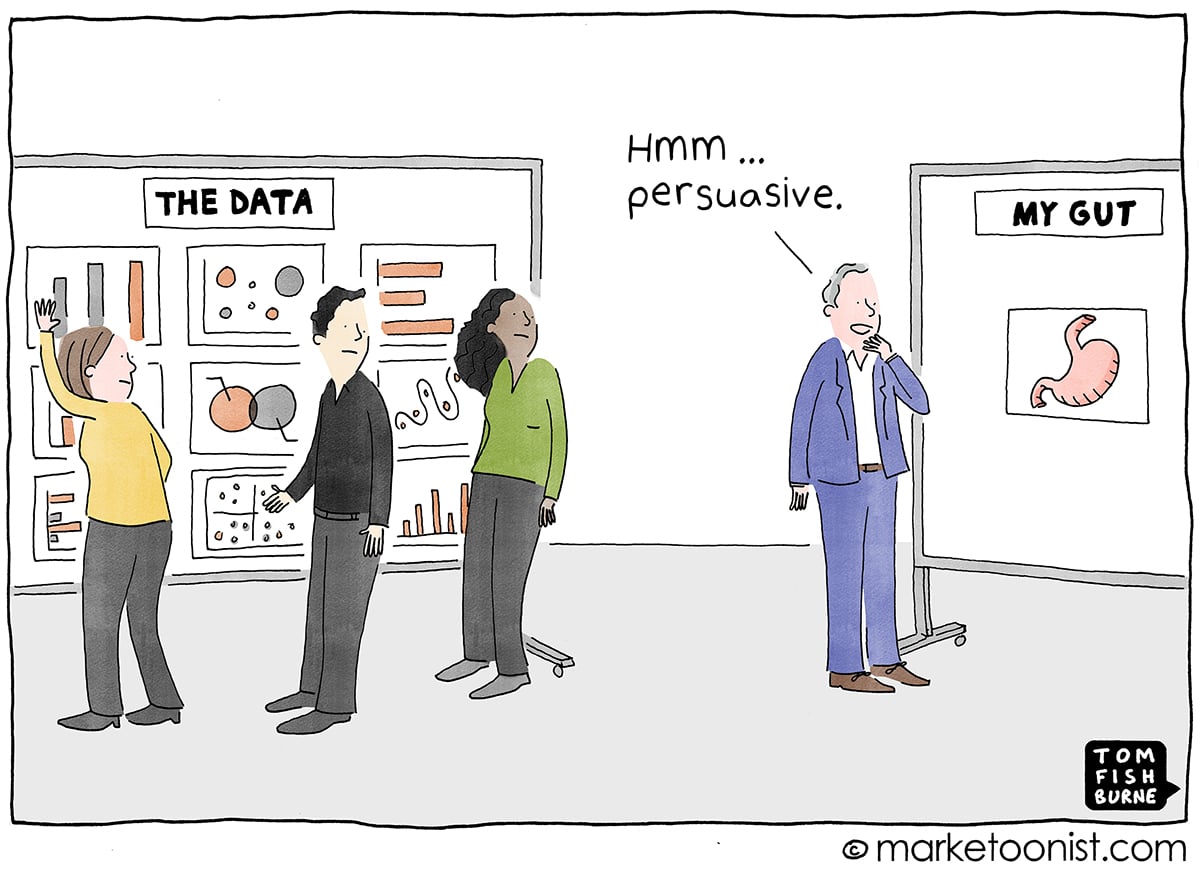
Going with our gut is the most persuasive way to make a decision. And it’s often the most misleading.
Here are a few related cartoons I’ve drawn over the years: